

PR Opportunities After Psychology Studies in Germany and Europe (2026 Guide)
Introduction
In recent years, Europe has become one of the most attractive destinations for international students pursuing Psychology studies. Countries such as Germany, the Netherlands, Ireland, Sweden, and Norway offer high-quality education, affordable tuition fees, excellent healthcare systems, and strong career opportunities. Along with academic benefits, many students are also interested in long-term settlement opportunities, including Permanent Residency (PR) after graduation.
However, obtaining PR after studying Psychology in Europe depends on several important factors such as qualification level, job opportunities, language skills, immigration laws, and work experience. This article explains the latest 2026 PR pathways, eligibility criteria, salary expectations, and career opportunities for Psychology graduates in Germany and other European countries.
Important Definitions
What is Permanent Residency (PR)?
Permanent Residency (PR) is a legal immigration status that allows a foreign national to live and work permanently in a country without needing to renew temporary visas repeatedly. PR holders usually receive many benefits similar to citizens, including long-term work rights, healthcare access, and social benefits.
What is a Residence Permit?
A residence permit is an official document that allows international students or workers to legally stay in a country for a limited period for purposes such as study, employment, or family reunification.
What is a Post-Study Work Permit?
A post-study work permit allows international students to remain in a country after graduation to search for employment or work full-time.
Example:
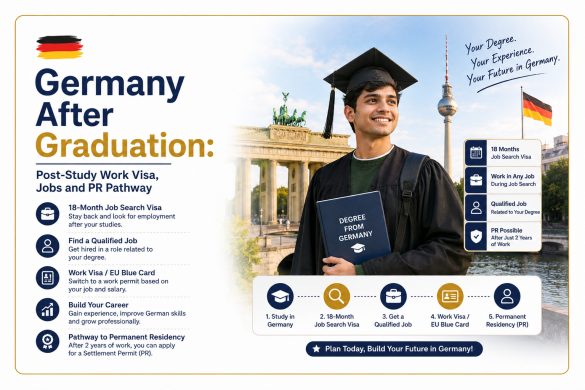
Germany currently offers an 18-month post-study job-seeker permit for international graduates.
What is an EU Blue Card?
The EU Blue Card is a residence permit designed for highly skilled non-EU professionals working in European countries. It offers faster PR pathways, better mobility within Europe, and long-term work stability.
Why Psychology is Growing in Europe
Mental health awareness has increased significantly across Europe after the COVID-19 pandemic. As a result, there is growing demand for professionals in:
- Clinical Psychology
- Counseling
- Mental Health Support
- Behavioral Therapy
- Human Resources
- Workplace Wellness
- Social Services
- Research and Behavioral Analytics
Psychology graduates are increasingly employed not only in hospitals and clinics but also in multinational companies, schools, rehabilitation centers, NGOs, and technology companies.
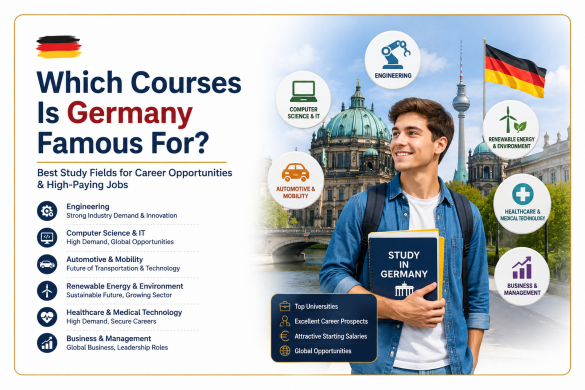
Psychology Studies in Germany
Germany
Germany is one of the best European countries for international students because of:
- Affordable education
- Strong economy
- Excellent healthcare system
- Skilled worker demand
- PR opportunities after graduation
Many German universities offer Psychology-related programs, although most public universities require German language proficiency.
Career Opportunities After Psychology Studies in Germany
After completing a Bachelor’s or Master’s degree in Psychology, graduates may work in:
Clinical and Healthcare Sector
- Clinical Assistant
- Rehabilitation Support Worker
- Mental Health Counselor
- Therapy Assistant
Corporate Sector
- HR Specialist
- Talent Acquisition Executive
- Employee Wellness Coordinator
- Organizational Psychology Assistant
Research and Education
- Research Assistant
- Academic Counselor
- Child Development Specialist
Social Services
- NGO Worker
- Youth Support Specialist
- Behavioral Support Professional
Important Reality for International Students
A Bachelor’s degree alone usually does not qualify someone as a licensed psychologist in Germany. Most clinical roles require:
- Master’s degree
- Professional licensing
- German language proficiency (usually B2–C1)
Because of this, many international students continue with Master’s studies after completing their Bachelor’s degree.
Germany PR Pathway After Psychology Studies (2026)
Step 1 – Student Visa
International students first enter Germany with a student visa and residence permit.
Students can work part-time during studies under Germany’s student work regulations.
Step 2 – Graduation and Post-Study Work Permit
After graduation from a recognized German university, students can apply for an 18-month post-study residence permit to search for skilled employment.
During this period, graduates can:
- Work full-time
- Search for jobs related to their qualification
- Transition to a skilled worker permit or EU Blue Card
Step 3 – Skilled Employment
Once graduates secure a qualified job related to their degree, they may receive:
- Skilled Worker Residence Permit
OR - EU Blue Card
Typical Psychology-related jobs include:
- HR positions
- Research roles
- Social services
- Healthcare support
- Corporate wellness
Step 4 – Permanent Residency (PR)
Germany offers one of Europe’s faster PR pathways for graduates.
Standard PR Route
Most people qualify after:
- 5 years of legal residence and employment
Fast-Track Graduate Route
International graduates from German universities may qualify for PR after:
- 2 years of skilled employment
- Pension contributions
- B1 German language level
- Financial stability
Germany PR Requirements (2026)
Typical requirements include:
- Valid residence permit
- Skilled employment
- Stable income
- Health insurance
- Pension contributions
- No criminal record
- German language proficiency (usually B1)
- Knowledge of German society and laws
Salary Expectations in Germany
Bachelor’s Level
Typical annual salaries:
- €28,000 – €40,000
Master’s and Licensed Professionals
- €45,000 – €70,000+
Corporate HR and organizational psychology often provide higher salaries than entry-level healthcare support roles.
Challenges for International Psychology Students in Germany
German Language Requirement
This is one of the biggest challenges.
Clinical psychology and therapy positions almost always require advanced German language skills because professionals work directly with patients.
Competitive Admissions
Psychology programs in Germany are highly competitive, especially for international students. Some universities have strict admission quotas and language requirements.
Internship and Licensing Requirements
Students pursuing clinical pathways may need specific internships and professional recognition requirements.
PR Opportunities in Other European Countries
Netherlands
Netherlands
The Netherlands is highly attractive because many Psychology programs and jobs are available in English.
PR Timeline
- Usually after 5 years of legal stay
Strong Career Areas
- HR
- Behavioral research
- UX research
- Corporate consulting
Advantages
- International work environment
- High quality of life
- English-speaking opportunities
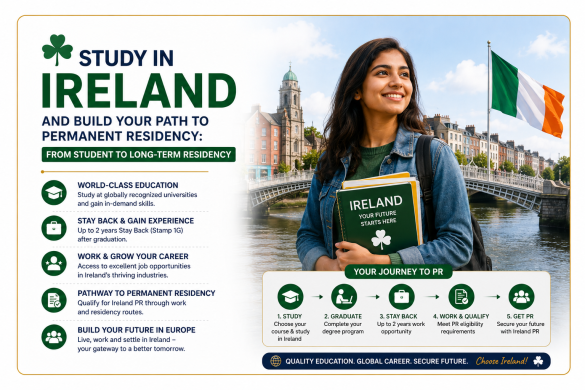
Ireland
Ireland
Ireland is one of the easiest English-speaking countries in Europe for international students.
PR Pathway
- 2-year post-study work permit after Master’s
- PR usually after 5 years of legal residence
Career Opportunities
- Corporate HR
- Mental health support
- Multinational companies
- Research organizations
Sweden
Sweden
Sweden has a strong public healthcare and welfare system.
PR Eligibility
Usually after:
- 4–5 years of legal residence and employment
Challenges
Swedish language is important for clinical careers.
Norway
Norway
Norway offers very high salaries and excellent living standards.
PR Timeline
Usually after:
- 3 years of skilled work residence
Advantages
- High salaries
- Excellent work-life balance
Challenges
- High living costs
- Norwegian language requirements
Denmark
Denmark
Denmark provides strong opportunities in:
- Workplace wellness
- Human behavior research
- Healthcare systems
PR generally becomes possible after several years of legal residence and employment.
Best Psychology Specializations for PR and Career Growth
The following specializations offer better employment and PR opportunities:
Industrial/Organizational Psychology
Focuses on workplace behavior, HR, and corporate wellness.
Clinical Psychology
Deals with mental health diagnosis and therapy.
Neuropsychology
Combines neuroscience and psychology.
Counseling Psychology
Supports emotional and mental wellbeing.
Behavioral Science
Used in research, technology, and analytics.
UX Research and Human Factors
Increasingly important in technology companies.
Best Countries for Psychology + PR in Europe (2026)
Top Overall Choices
- Germany
- Ireland
- Netherlands
- Sweden
These countries provide:
- Good post-study work rights
- Stable immigration systems
- Strong job markets
- Long-term settlement opportunities
Final Conclusion
Psychology is becoming an increasingly valuable field across Europe because of rising awareness of mental health, workplace wellbeing, and behavioral sciences. Germany and several other European countries offer excellent education systems, post-study work opportunities, and pathways toward Permanent Residency for international students.
However, students should understand that success in Psychology careers in Europe often depends on:
- Higher education qualifications
- Practical experience
- Local language proficiency
- Professional licensing
- Long-term career planning
Germany remains one of the strongest options because of its affordable education, strong economy, and relatively faster PR pathways for graduates. At the same time, countries such as Ireland and the Netherlands provide excellent opportunities for students seeking English-speaking environments and international careers.
Students planning to study Psychology in Europe should carefully choose their specialization, prepare for language requirements, and focus on gaining internships and skilled work experience to improve their long-term PR and career prospects.